September 10, 2025
The hidden revenue leak: missed calls in aesthetic practices (and how to stop it)

The Recura Team
September 10, 2025
The Recura Team
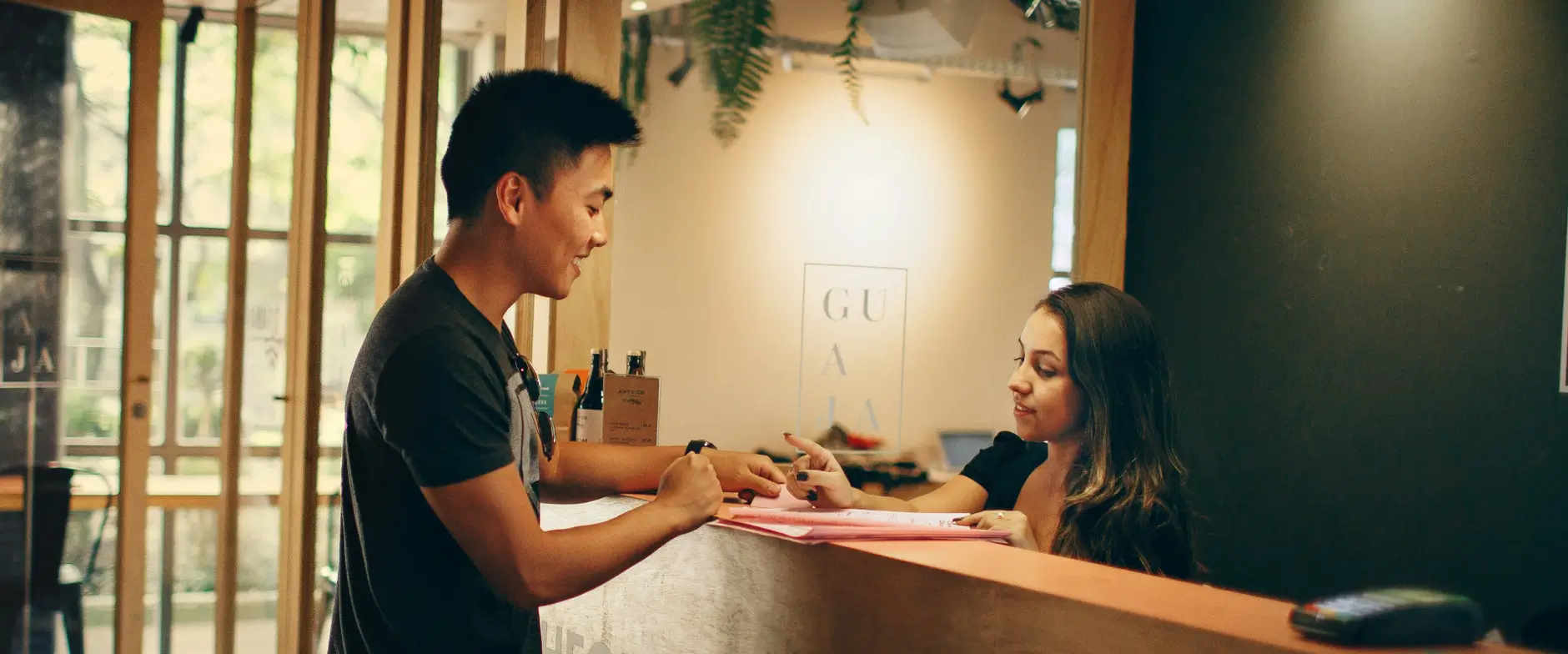
In aesthetics, intent is high—and competition is one tap away. When a prospective patient calls and can’t reach a human, it often doesn’t feel like a “missed call” on your end. It feels like “they weren’t serious.”
But from the patient’s side, it’s usually simpler: they tried to book. And the path was blocked.
Industry benchmarks suggest a meaningful share of inbound calls go unanswered. One healthcare association article notes small practices can miss up to 30% of incoming calls during office hours. Invoca’s healthcare benchmark data similarly reports an average ~29% unanswered call rate across healthcare, with variation by vertical. For aesthetic practices that invest in ads, social content, SEO, and referral programs, missed calls aren’t just an ops issue—they’re a marketing tax.
You’ll see two common metrics in call performance reporting:
Healthcare contact center survey data shows average abandonment rates around 5–6% in some contact center contexts. That may sound “fine” until you remember: abandonment is only one slice of the loss. Unanswered calls can be higher—especially for small teams, peak periods, and after-hours demand.
This isn’t about effort. It’s usually about throughput.
You don’t need a total systems overhaul. You need a reliable safety net and a fast path to booking.
This protects front desk focus and increases conversion on the calls that matter most.
In aesthetics, the moment of intent is fragile—especially for first-time patients. Your job isn’t to “answer every call perfectly.” It’s to ensure every interested patient gets a next step without friction.
If you can’t guarantee a human every time, guarantee a path to booking.
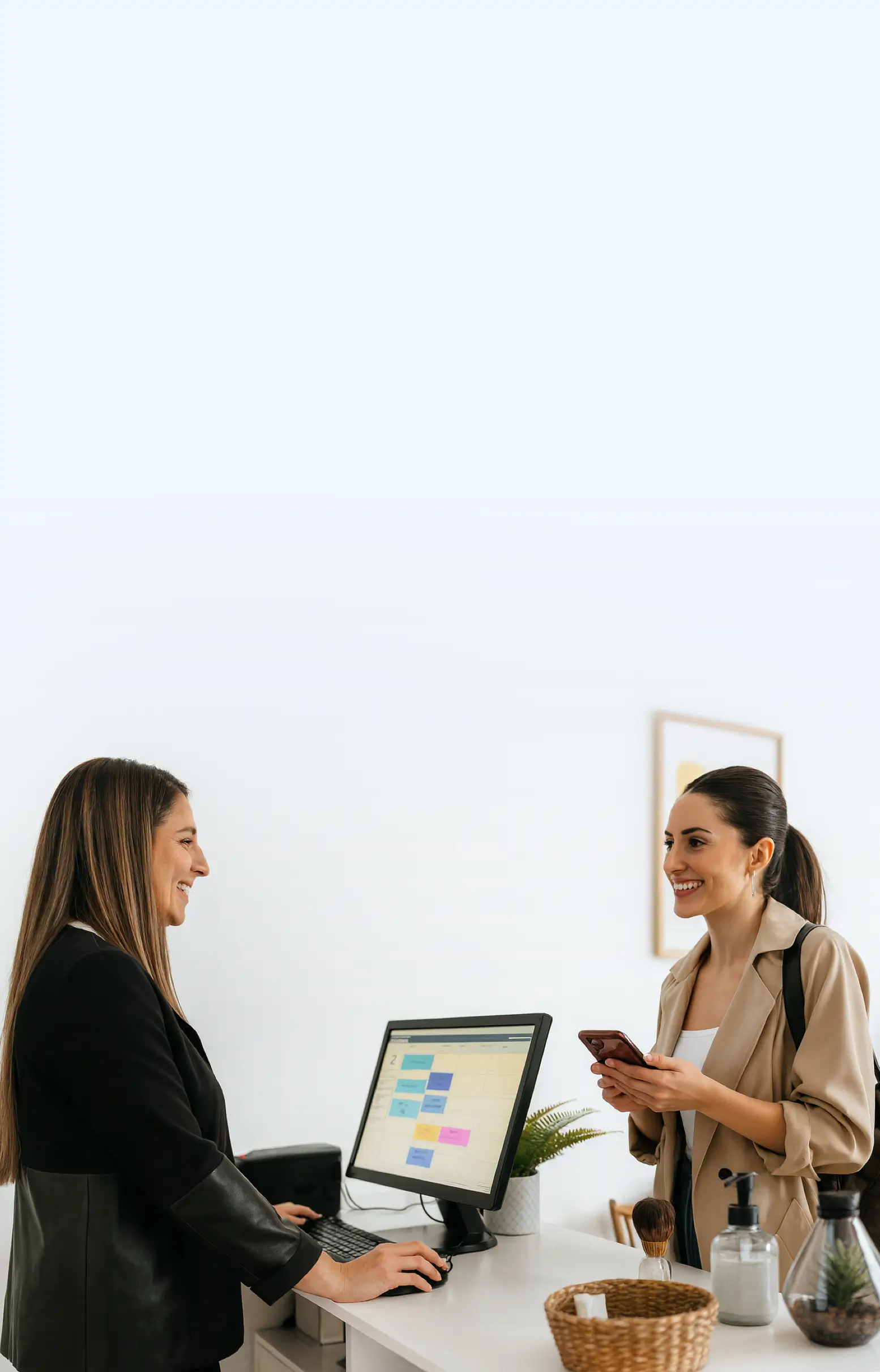
Recura answers calls, texts back leads, and books consults, so your calendar fills even overnight.
See a live call flow, tailored to your practice

Recura insights and updates, shared when there’s something worth knowing.


Proudly part of the

family